Introduction:
Technology is transforming the DME industry, offering tools that streamline operations, enhance patient care, and improve financial performance. But with so many options available, how do you choose the right technology for your practice?
This blog provides a step-by-step guide to selecting the best tools for your needs, helping you navigate the technology landscape and make informed decisions.
Why the Right Technology Matters
Investing in the right technology can:
- Improve Efficiency: Automate repetitive tasks to save time and reduce errors.
- Enhance Patient Care: Provide seamless communication and better access to information.
- Support Growth: Scale your operations without overwhelming your resources.
Choosing the wrong tools, however, can lead to wasted resources and frustrated staff, making it crucial to evaluate options carefully.
Must-Have Technology for DME Providers
- Billing and Claims Management Software
- Why It’s Essential: Simplifies claims submissions, reduces denial rates, and speeds up reimbursements.
- Key Features:
- Real-time error detection.
- Integration with payer systems for faster approvals.
- Patient Portals
- Why It’s Essential: Improves communication, reduces administrative workload, and enhances patient satisfaction.
- Key Features:
- Secure messaging.
- Online appointment scheduling and document uploads.
- Inventory Management Systems
- Why It’s Essential: Ensures you always have the right equipment in stock while minimizing waste.
- Key Features:
- Demand forecasting.
- Real-time inventory tracking.
- Workflow Automation Tools
- Why It’s Essential: Automates repetitive tasks like patient reminders and insurance verifications.
- Key Features:
- Customizable workflows.
- Integration with other systems.
- Analytics Platforms
- Why It’s Essential: Provides actionable insights to improve efficiency, reduce costs, and enhance patient care.
- Key Features:
- Customizable dashboards.
- Reporting tools for KPIs like denial rates and patient satisfaction.
Key Considerations When Choosing Technology
- Scalability:
- Choose tools that can grow with your practice, supporting increasing patient volumes and operational demands.
- Ease of Use:
- Look for intuitive platforms with simple interfaces to minimize the learning curve for staff.
- Integration:
- Ensure the tools integrate seamlessly with your existing systems, such as EHRs and billing software, for smooth data flow.
- Cost and ROI:
- Evaluate the upfront costs and potential ROI. Focus on tools that deliver measurable benefits, such as time savings or error reductions.
- Vendor Support:
- Work with providers who offer robust support, including training, updates, and troubleshooting.
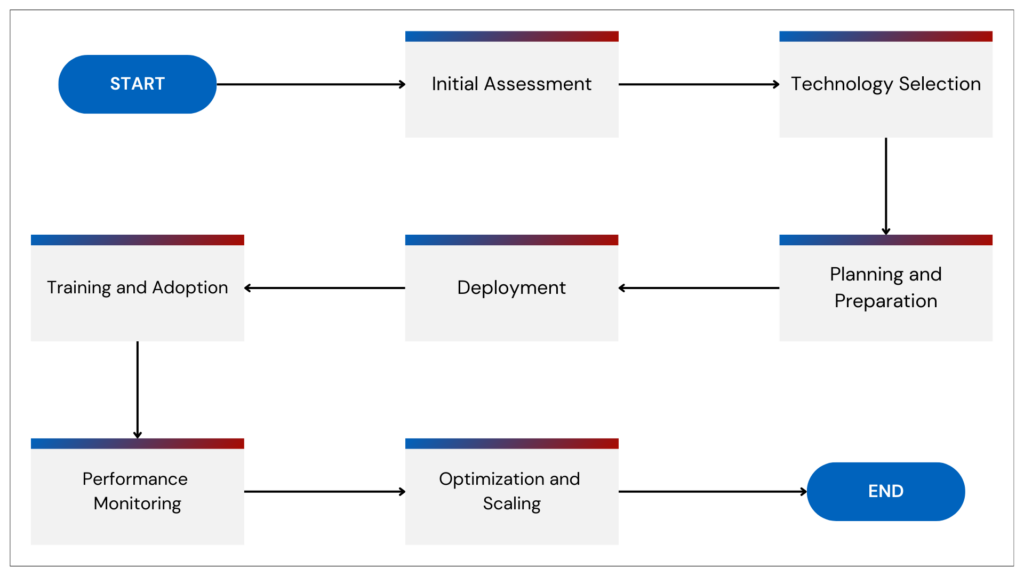
Steps to Implement New Technology
- Assess Your Needs:
- Identify the biggest pain points in your current operations, such as high denial rates or inefficient inventory management.
- Research and Compare Options:
- Request demos from vendors and involve your team in the evaluation process.
- Plan for Integration:
- Develop a timeline and designate a team to oversee the integration process.
- Train Your Team:
- Provide comprehensive training to ensure staff are comfortable using the new tools.
- Monitor and Optimize:
- Track metrics like time savings, error rates, and user satisfaction to evaluate the tool’s impact and refine processes.
WWS Value Proposition
At WWS, we simplify technology selection and implementation for DME providers. Our services include:
- Customized Recommendations: We identify the best tools to address your unique challenges.
- Seamless Integration: Ensure your new technology works perfectly with your existing systems.
- Ongoing Support: From training to troubleshooting, we’re here every step of the way.
Let WWS help you harness the power of technology to transform your practice.