

Introduction:
In today’s healthcare landscape, DME data & analytics are more than a tool—it’s a game-changer. For DME providers, leveraging data effectively can streamline workflows, enhance patient outcomes, and boost profitability. Yet, many providers still rely on manual processes and limited insights, missing out on the transformative power of analytics.
This blog explores the growing role of data in the DME industry, the benefits of data-driven decision-making, and actionable ways to harness analytics for your practice.
What Types of Data Are Available to DME Providers?
- Operational Data
- Includes metrics like workflow efficiency, claim processing times, and inventory turnover.
- Helps identify bottlenecks and improve operational processes.
- Patient Data
- Encompasses patient demographics, adherence rates, and satisfaction scores.
- Provides insights into improving engagement and care outcomes.
- Financial Data
- Tracks revenue, expenses, and cash flow, as well as reimbursement timelines.
- Supports better budgeting and profitability analysis.
How Data is Transforming DME Practices
- Optimizing Workflows
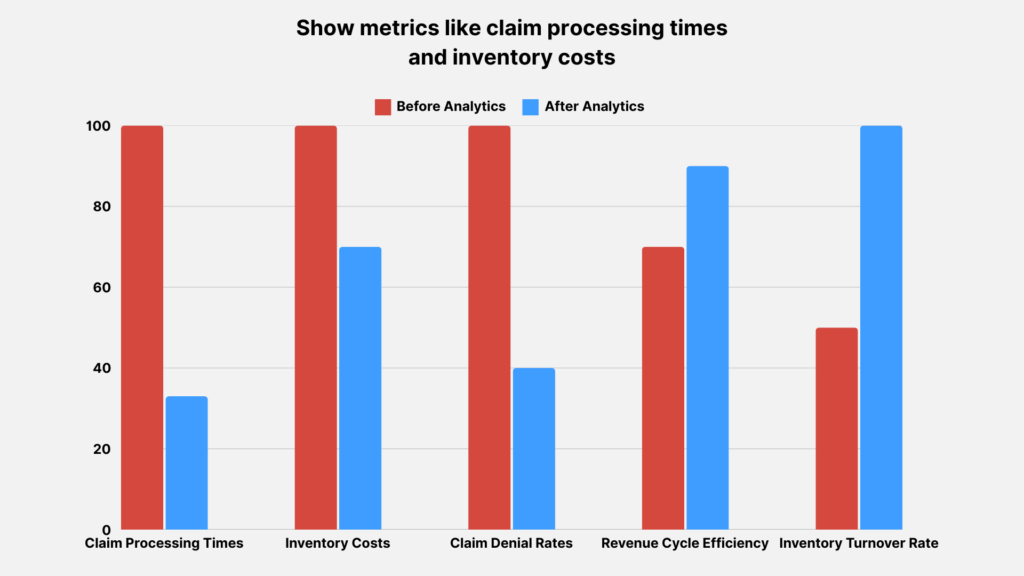
- Example: Analytics can reveal delays in claims processing, enabling providers to implement automation and reduce denial rates.
- Impact: Improves efficiency and reduces administrative burdens.
- Enhancing Patient Outcomes
- Example: Monitoring adherence metrics helps providers identify at-risk patients and intervene early.
- Impact: Increases compliance rates and improves health outcomes.
- Reducing Costs
- Example: Inventory tracking systems prevent overstocking and understocking by predicting demand based on historical data.
- Impact: Lowers carrying costs and ensures timely patient service.
- Driving Strategic Growth
- Example: Financial data analytics highlight the most profitable service lines, guiding investment decisions.
- Impact: Focuses resources on high-growth opportunities.
Benefits of Data-Driven Decision-Making
- Improved Accuracy
- Data eliminates guesswork, ensuring decisions are based on factual insights.
- Faster Problem-Solving
- Real-time analytics allow providers to identify and address issues quickly.
- Enhanced Transparency
- Clear metrics provide visibility into every aspect of the practice, fostering accountability.
- Scalability
- Data insights enable providers to scale operations efficiently while maintaining quality.
Actionable Steps to Harness Data in Your Practice
- Invest in Analytics Tools
- Choose platforms that integrate with your existing systems, such as patient portals or inventory software.
- Define Key Metrics
- Focus on metrics that align with your practice goals, such as patient satisfaction or cash flow.
- Train Your Team
- Ensure staff understand how to interpret and use data insights effectively.
- Monitor and Adjust
- Regularly review performance metrics and refine strategies to address gaps.
- Partner with Experts
- Work with analytics providers to implement tailored solutions for your practice.
Real-World Impact of Data in DME
- 30% Faster Claims Processing: Automation and analytics streamline workflows and reduce errors.
- 25% Improvement in Patient Retention: Insights into patient behavior drive better engagement and satisfaction.
- 20% Cost Reduction: Data-driven inventory management prevents waste and ensures availability.
WWS Value Proposition
At WWS, we empower DME providers to harness the power of data through:
- Analytics Platforms: Gain real-time insights into operations, patient care, and financial performance.
- Customized Dashboards: Monitor KPIs and identify opportunities for improvement.
- Training and Support: Equip your team with the skills to leverage data effectively.
Partner with WWS to transform your practice with data-driven strategies that improve outcomes and drive growth.