Introduction:
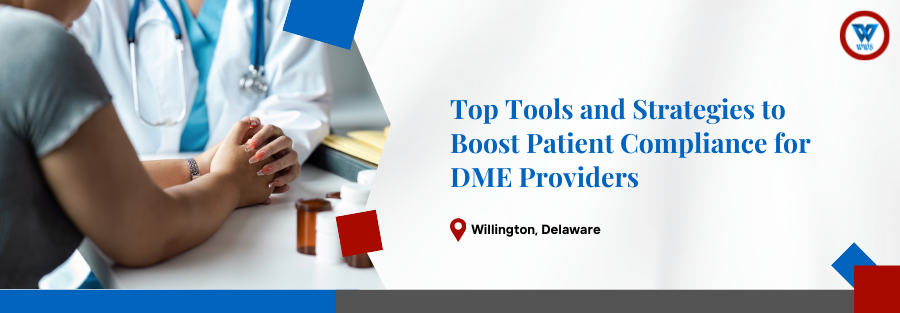
Boost Patient Compliance is essential for achieving positive health outcomes and ensuring operational efficiency in the DME industry. Yet, maintaining adherence can be challenging without the right tools and strategies.
This blog highlights top technologies and techniques that DME providers can implement to improve patient compliance, reduce costs, and enhance satisfaction.
Why Tools Matter for Patient Compliance
- Improves Accessibility: Tools like portals and mobile apps make care plans and instructions easily available.
- Streamlines Communication: Automated systems ensure patients stay informed without additional administrative burden.
- Drives Better Outcomes: Timely reminders and education empower patients to follow their care plans consistently.
By leveraging technology and proven strategies, DME providers can achieve higher compliance rates and better patient outcomes.
Top Tools to Enhance Patient Compliance
- Automated Reminder Systems
- What They Do: Send reminders for appointments, equipment maintenance, or document submissions via SMS, email, or phone calls.
- Benefits:
- Reduce missed appointments and delays.
- Keep patients engaged without manual follow-ups.
- Patient Portals
- What They Do: Provide 24/7 access to care instructions, documentation, and communication with providers.
- Benefits:
- Increase patient convenience and satisfaction.
- Simplify administrative tasks by offering self-service options.
- Educational Tools
- What They Do: Deliver videos, FAQs, and step-by-step guides to help patients understand how to use their equipment.
- Benefits:
- Boost confidence in using DME equipment correctly.
- Reduce the likelihood of complications or non-compliance.
- Analytics and Tracking Software
- What They Do: Monitor adherence metrics, such as equipment usage or missed appointments.
- Benefits:
- Identify trends and address gaps in compliance.
- Refine strategies based on data insights.
- Secure Messaging Apps
- What They Do: Enable real-time, HIPAA-compliant communication between patients and providers.
- Benefits:
- Improve patient trust and accessibility.
- Speed up issue resolution and foster better engagement.
Techniques to Complement These Tools
- Personalize Communication
- Tailor reminders and resources to each patient’s needs and preferences.
- Use their preferred communication channels, such as email, SMS, or phone.
- Incorporate Multichannel Outreach
- Offer multiple ways for patients to access information, including in-person consultations, phone calls, and digital platforms.
- Provide Clear Onboarding
- Educate patients on how to use the tools provided, such as logging into a portal or understanding their care plan.
- Monitor Compliance Metrics Regularly
- Use analytics to track patient progress and identify those who may need additional support.
- Engage Family or Caregivers
- Include caregivers in communication and education efforts to ensure patients have the support they need.
Proven Benefits of Using These Tools and Techniques
DME providers who adopt these strategies report:
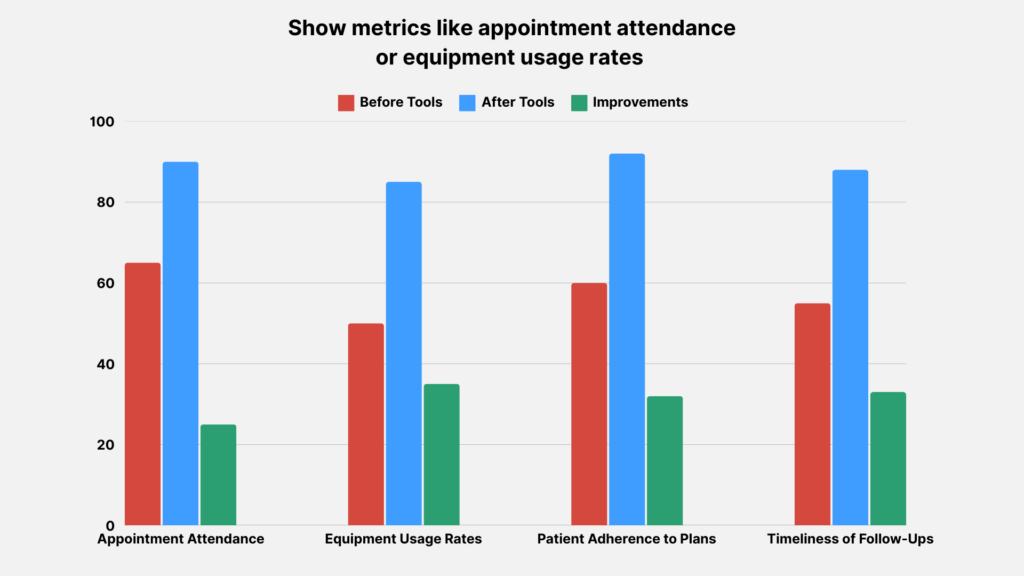
- 30% Increase in Appointment Attendance: Thanks to automated reminders and patient portals.
- 20% Higher Equipment Usage Rates: Patients feel more confident following instructions provided through educational tools.
- 25% Improvement in Patient Satisfaction Scores: Personalized and timely communication builds trust and loyalty.
WWS Value Proposition
At WWS, we help DME providers enhance patient compliance through:
- Customizable Patient Portals: Simplify access to care plans and documents.
- Automated Communication Systems: Send timely reminders and updates to keep patients engaged.
- Educational Tools and Resources: Empower patients to manage their care confidently.
Let WWS support your practice with tools and strategies that drive better outcomes and satisfaction.