

Introduction:
In the DME industry, data isn’t just a tool—it’s a competitive advantage. But to fully harness its power, providers need more than software and dashboards. They need a data-driven culture, where decisions are guided by insights, and every team member is aligned with the practice’s goals.
This blog outlines five actionable steps to create a data-driven culture in your DME practice, helping you optimize operations, improve patient outcomes, and drive sustainable growth.
What Does it Mean to Be Data-Driven?
A data-driven DME practice uses data to:
- Inform Decisions: Replace guesswork with evidence-based strategies.
- Measure Performance: Monitor KPIs to identify successes and areas for improvement.
- Drive Engagement: Use patient data to personalize care and improve satisfaction.
Being data-driven isn’t just about technology—it’s about embedding analytics into your workflows and decision-making processes.
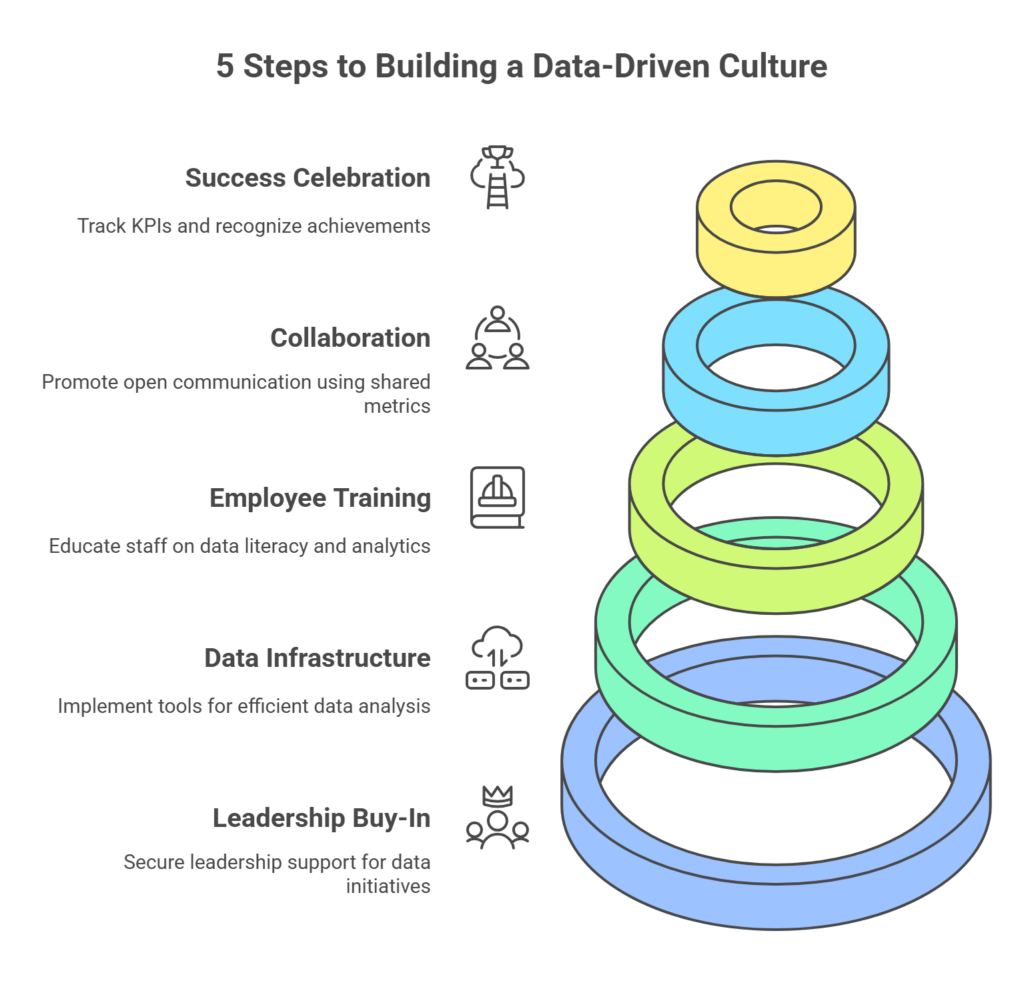
5 Steps to Build a Data-Driven Culture
1. Define Clear Goals and Metrics
- Why It Matters: Goals provide a roadmap for how data will be used. Metrics ensure progress is measurable.
- How to Do It:
- Identify key priorities, such as improving patient adherence or reducing claim denial rates.
- Select relevant KPIs, such as patient retention, inventory turnover, or reimbursement timelines.
- Use dashboards to track these metrics in real time.
2. Invest in the Right Tools
- Why It Matters: The right tools simplify data collection, analysis, and visualization.
- How to Do It:
- Choose platforms that integrate seamlessly with your existing systems, such as billing or patient portals.
- Look for tools with customizable dashboards and automated reporting features.
- Prioritize user-friendly software to ensure adoption by all team members.
3. Train and Empower Your Team
- Why It Matters: A data-driven culture relies on people as much as technology.
- How to Do It:
- Provide training on how to interpret and use data effectively.
- Encourage staff to share insights from their data analysis and propose solutions.
- Foster a collaborative environment where data informs team discussions and decision-making.
4. Integrate Data into Daily Workflows
- Why It Matters: To create lasting change, data must become a routine part of operations.
- How to Do It:
- Use daily or weekly performance reports to guide team meetings.
- Incorporate data-driven insights into patient communication, such as adherence tracking.
- Automate routine reports to ensure everyone has access to up-to-date information.
5. Monitor and Adjust Continuously
- Why It Matters: A data-driven culture requires ongoing refinement to stay relevant and effective.
- How to Do It:
- Regularly review performance metrics and adjust strategies as needed.
- Solicit feedback from your team to identify gaps in tools or processes.
- Stay updated on industry trends to ensure your analytics approach remains cutting-edge.
Overcoming Challenges to Building a Data-Driven Culture
- Resistance to Change:
- Solution: Start with small, impactful projects to demonstrate the value of data-driven decision-making.
- Limited Resources:
- Solution: Focus on high-impact metrics and invest in scalable tools that grow with your practice.
- Lack of Expertise:
- Solution: Partner with analytics experts to provide training and support tailored to your team’s needs.
Real-World Benefits of a Data-Driven DME Practice
- 25% Faster Decision-Making: Teams empowered with data can respond to challenges more efficiently.
- 20% Improvement in Patient Retention: Insights into patient behavior allow for personalized care and proactive engagement.
- 15% Cost Savings: Optimized workflows and better resource allocation reduce operational waste.
WWS Value Proposition
At WWS, we help DME providers create data-driven cultures with:
- Analytics Solutions: Tailored platforms to monitor KPIs and generate actionable insights.
- Training and Support: Equip your team with the skills to interpret and apply data effectively.
- Integration Services: Ensure seamless adoption of tools into your existing workflows.
Partner with WWS to transform your practice with data-driven strategies that drive growth and efficiency.

