Introduction:
Industry changes in DME industry is inevitable. From evolving regulations to shifting patient expectations, staying ahead requires a proactive approach. Practices that embrace adaptability can weather disruptions, maintain sustainability, and position themselves for long-term success.
This blog explores key strategies to future-proof your DME practice, ensuring resilience in a dynamic healthcare landscape.
Why Adaptability is Essential for DME Providers
- Navigating Regulatory Updates: Compliance with changing laws and policies protects your practice from penalties and disruptions.
- Meeting Evolving Patient Needs: Adapting to new expectations, like telehealth or personalized care, enhances satisfaction and loyalty.
- Staying Competitive: Embracing innovation keeps your practice ahead of industry trends and competitors.
3 Key Areas of Focus for Future-Proofing Your DME Practice
1. Stay Ahead of Regulatory Changes
- Why It’s Important: Compliance ensures uninterrupted operations and protects your practice’s reputation.
- How to Adapt:
- Monitor updates from CMS, FDA, and other regulatory bodies.
- Use compliance software to track documentation and meet requirements.
- Train staff regularly on new regulations and best practices.
- Impact: Reduces the risk of penalties and enhances operational stability.
2. Leverage Emerging Technologies
- Why It’s Important: Technology streamlines workflows and improves care delivery, creating a competitive advantage.
- How to Adapt:
- Implement predictive analytics to anticipate patient needs and manage inventory more efficiently.
- Use telehealth platforms for follow-ups, consultations, and patient education.
- Adopt automation tools to reduce manual work and minimize errors.
- Impact: Increases efficiency, lowers costs, and enhances patient engagement.
3. Build Flexibility into Your Operations
- Why It’s Important: Flexible systems and workflows allow your practice to pivot quickly in response to change.
- How to Adapt:
- Diversify revenue streams to reduce reliance on a single service or payer.
- Cross-train staff to handle multiple roles during peak periods or staff shortages.
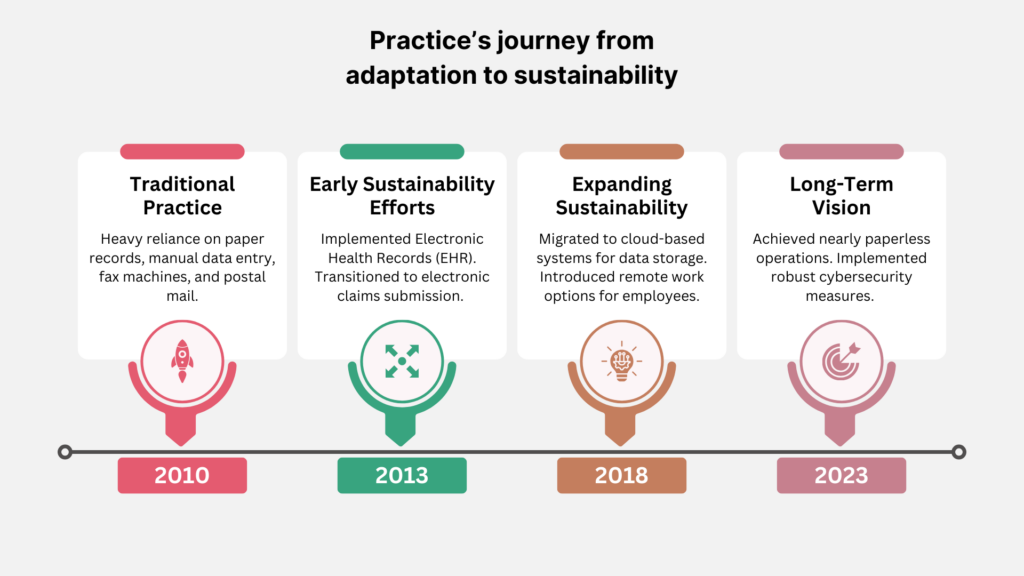
- Use cloud-based systems for secure, remote access to critical data and tools.
- Impact: Ensures continuity and resilience, even during unexpected disruptions.
Strategies to Create a Culture of Adaptability
- Foster Continuous Learning:
- Encourage staff to participate in training programs and industry events.
- Share insights from regulatory updates, patient feedback, and analytics.
- Engage in Strategic Planning:
- Regularly review your practice’s goals and identify areas for improvement.
- Develop contingency plans for scenarios like regulatory changes or market shifts.
- Collaborate with Industry Experts:
- Partner with consultants or technology providers to stay informed about best practices and innovations.
Real-World Benefits of Future-Proofing Your DME Practice
DME providers who adapt effectively report:
- 30% Faster Compliance Adjustments: Proactive monitoring and training reduce the time needed to meet new regulations.
- 25% Increase in Efficiency: Technology and flexible workflows streamline operations.
- 20% Improvement in Patient Retention: Meeting evolving needs enhances satisfaction and loyalty.
WWS Value Proposition
At WWS, we help DME providers adapt to industry changes with:
- Compliance Solutions: Ensure your practice meets evolving regulatory requirements.
- Technology Integration: Implement tools like telehealth, automation, and analytics to enhance efficiency.
- Training Programs: Equip your team to navigate change and embrace innovation confidently.
Partner with WWS to future-proof your practice and ensure operational sustainability.