
Introduction:
For one DME provider, inefficiencies in manual processes were causing delays, errors, and staff burnout. By adopting workflow automation, they achieved a remarkable 40% increase in operational efficiency, transforming their business and elevating patient satisfaction. This case study details the provider’s journey, from identifying their challenges to implementing automation tools and measuring success.
The Challenge
Before automation, the provider faced:
- High Administrative Workloads: Staff spent hours on manual tasks like patient follow-ups and claims processing.
- Frequent Documentation Errors: Inconsistent processes led to missing or inaccurate paperwork, delaying service delivery and claims approval.
- Slow Turnaround Times: Bottlenecks in workflows caused delays in onboarding new patients and resolving claims.
- Staff Burnout: Overworked staff struggled to keep up, leading to low morale and high turnover rates.
These issues not only affected internal operations but also created frustration among patients and payers.
The Solution
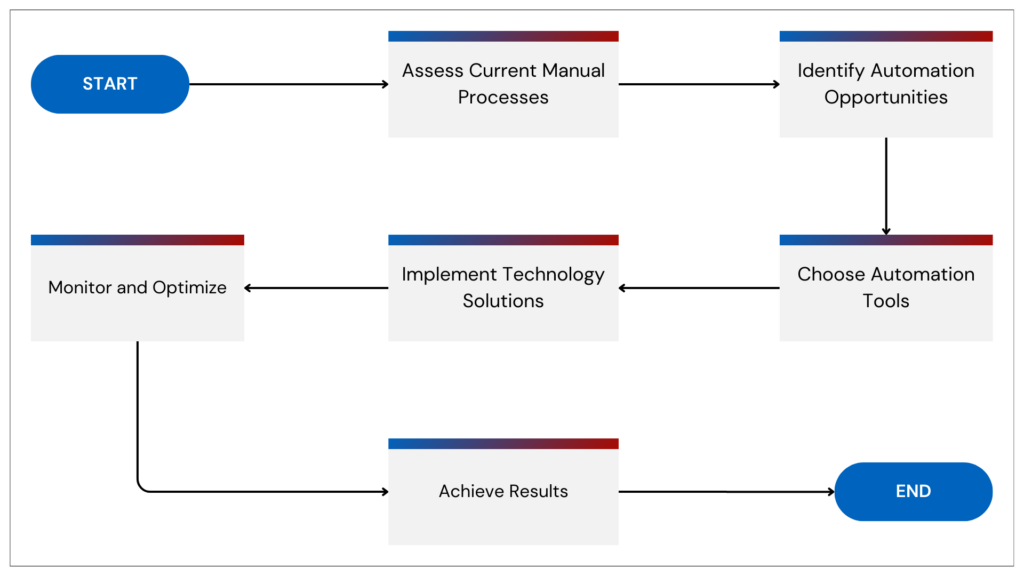
To address these challenges, the provider implemented a comprehensive workflow automation strategy that focused on:
- Patient Intake Automation
- Adopted digital forms with automated error-checking to ensure accurate data collection.
- Set up automated reminders for patients to complete pre-registration steps.
- Streamlined Insurance Verification
- Implemented a real-time eligibility verification tool, reducing the time spent on phone calls with payers.
- Automated alerts for incomplete insurance information, ensuring smoother claims submissions.
- Claims Management Technology
- Introduced an integrated claims tracking platform with built-in error detection to prevent rejections.
- Centralized claims monitoring, giving staff visibility into bottlenecks and payment statuses.
- Performance Metrics and Reporting
- Used analytics dashboards to track productivity, identify inefficiencies, and measure the success of automation tools.
The Results
Within six months of implementation, the provider experienced:
- 40% Increase in Efficiency: Automated workflows significantly reduced time spent on manual tasks.
- 50% Fewer Documentation Errors: Digital tools ensured data accuracy and compliance with payer requirements.
- 30% Faster Turnaround Times: Patients received their equipment and claims were processed more quickly.
- Higher Staff Morale: Reduced workloads allowed employees to focus on higher-value tasks, improving job satisfaction.
Lessons Learned
- Start Small: Focus on automating one or two critical workflows before scaling automation across operations.
- Train Your Team: Invest in staff training to ensure smooth adoption of new tools and processes.
- Track and Refine: Continuously monitor metrics to identify areas for improvement and maximize ROI.
WWS Value Proposition
At WWS, we specialize in helping DME providers achieve operational success through workflow automation. Our solutions include:
- Tools for automating patient intake, insurance verification, and claims management.
- Analytics platforms to measure efficiency and identify bottlenecks.
- Expert guidance for seamless implementation and staff training.
Let WWS help you unlock new levels of efficiency and patient satisfaction.