

Introduction:
The DME industry is constantly evolving, with frequent updates to Medicare guidelines, HIPAA regulations, and other compliance requirements. Staying ahead of these changes is essential to avoid penalties, maintain efficiency, and protect patient trust.
This blog provides actionable strategies to help DME providers navigate regulatory changes, ensuring your practice remains compliant and prepared for the future.
Why Staying Updated on Regulations Matters
- Avoid Compliance Penalties
- Non-compliance with new regulations can result in fines, claims denials, or operational delays.
- Protect Patient Trust
- Demonstrating adherence to the latest standards shows your commitment to patient safety and privacy.
- Ensure Operational Stability
- Adapting quickly to regulatory changes prevents disruptions in workflows and reimbursements.
- Support Long-Term Growth
- Proactive compliance positions your practice as a reliable partner for patients and payers, enhancing your reputation.
Challenges of Keeping Up with Regulatory Changes
- Frequent Updates
- Regulations such as Medicare policies and payer requirements often change annually or even quarterly.
- Complexity of Guidelines
- Understanding and implementing new rules can be overwhelming, especially for smaller practices.
- Resource Constraints
- Limited time, staff, and expertise can make it difficult to track and adapt to changes effectively.
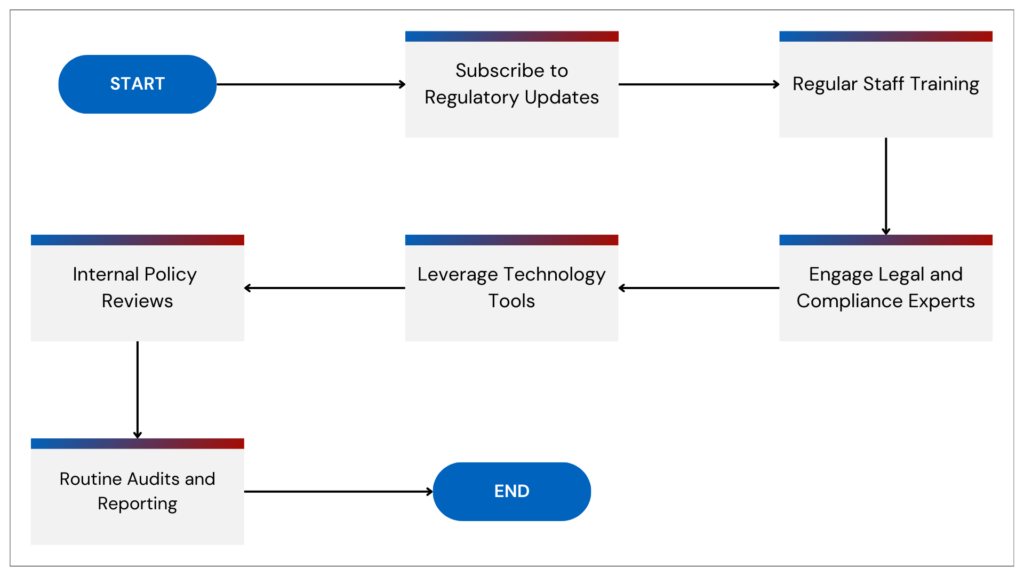
Strategies for Staying Ahead of Changing Regulations
- Subscribe to Trusted Regulatory Updates
- Sign up for newsletters from organizations like CMS, HIPAA Journal, and accredited DME associations.
- Attend webinars, workshops, or conferences focused on industry compliance.
- Invest in Technology for Compliance Tracking
- Use digital tools that monitor regulatory updates and flag areas needing adjustments.
- Automate compliance tasks like documentation reviews and claims validation.
- Conduct Regular Compliance Reviews
- Schedule quarterly or biannual audits to identify gaps and ensure adherence to the latest standards.
- Use findings to make targeted improvements in processes and workflows.
- Collaborate with Industry Experts
- Work with compliance consultants or legal advisors specializing in DME regulations.
- Leverage their expertise to interpret complex rules and implement best practices.
- Train Your Team Continuously
- Provide ongoing education on regulatory changes and practice-specific implications.
- Create a culture of compliance where staff feel empowered to prioritize adherence.
The Role of Technology in Managing Regulatory Changes
Technology can simplify regulatory compliance in several ways:
- Real-Time Alerts: Compliance management platforms notify you of new regulations and deadlines.
- Automated Reporting: Tools generate reports to demonstrate adherence during audits or payer reviews.
- Integrated Updates: Software vendors often include regulatory updates, ensuring your tools align with the latest standards.
WWS Value Proposition
At WWS, we help DME providers stay ahead of changing regulations with:
- Compliance Tracking Tools: Automate updates and ensure adherence to evolving standards.
- Training Resources: Equip your team with the knowledge and skills to navigate complex rules.
- Expert Support: Partner with our compliance specialists to proactively manage changes and reduce risks.
Let WWS simplify compliance so you can focus on delivering exceptional patient care.

